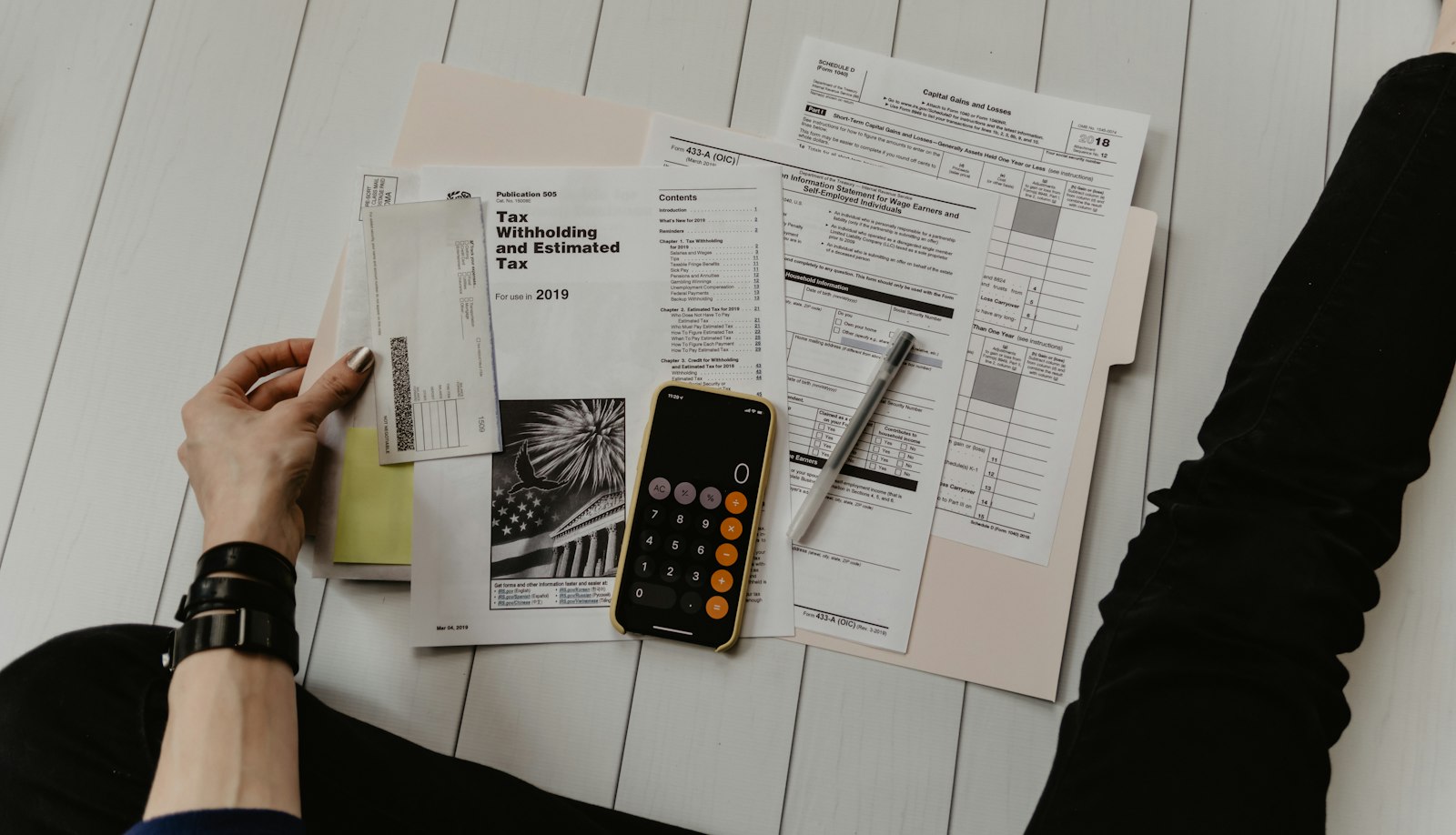
The mechanic slid the estimate across the counter: $1,850 for a transmission that had, in his words, “given up.” I was 24, making $2,900 a month, and my savings account held $412. I put the repair on a credit card at 24.99% APR and spent the next eleven months paying for a car I could barely afford to drive. It was the most expensive lesson I’ve ever paid for, and the cheapest version of it would have cost me $1,000.
That’s the number to start with: $1,000. Not three months of expenses, not six. One thousand dollars, enough to cover the deductible, the tow truck, the emergency vet bill, the flight home for a funeral. It’s small enough to build in a few months and large enough to keep a bad week from becoming a bad year. And it’s reachable for almost anyone: a month of skipping takeout, or two months of an honest look at the subscription list.
Why $1,000 changes the math
Advertisement
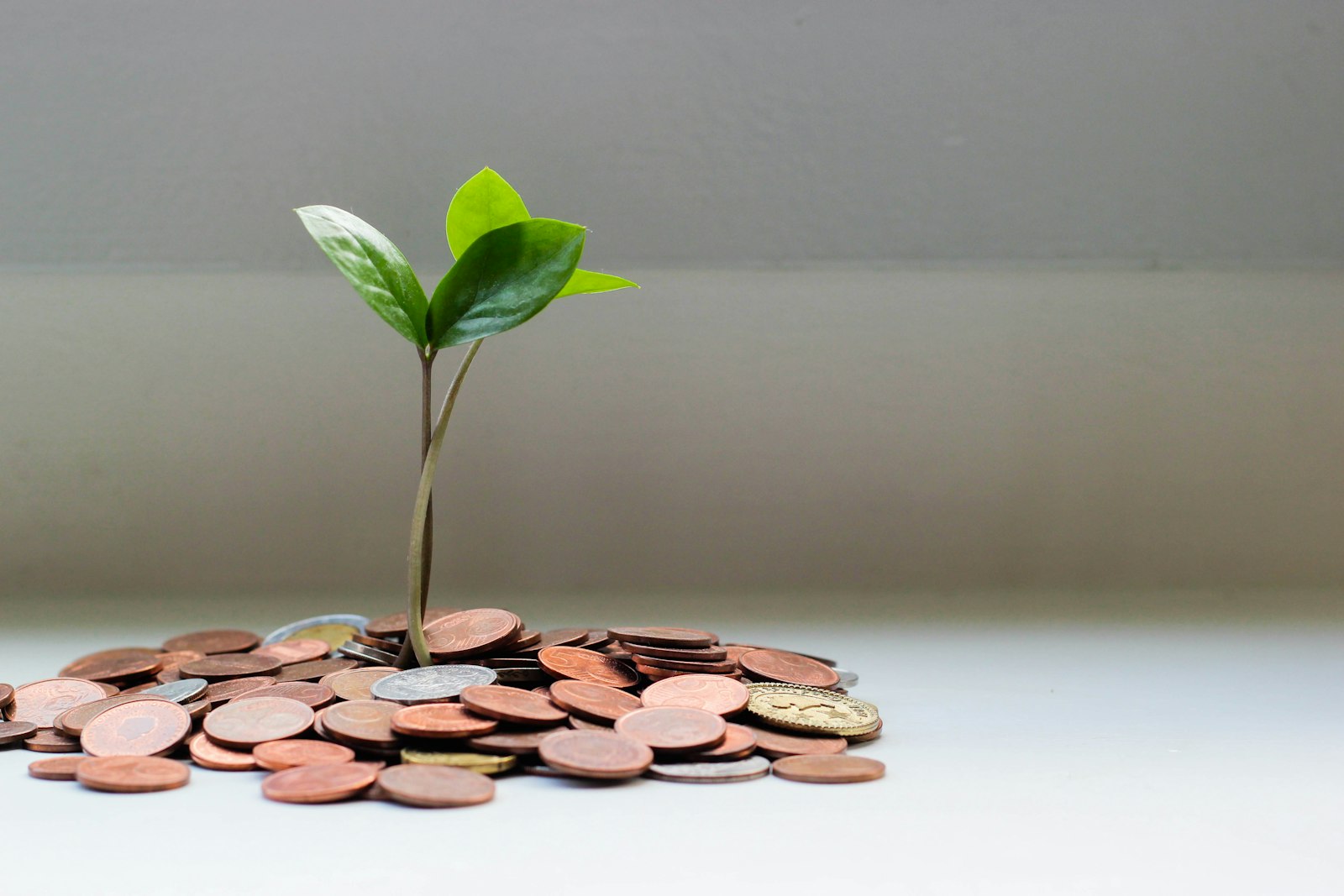
The average credit card carries an APR north of 20% these days. A $2,000 emergency financed at that rate costs roughly $400 in interest if you pay it off in a year. The same emergency paid in cash costs you nothing, and it doesn’t turn one bad event into a monthly payment you carry for years.
A thousand dollars also covers the most common emergencies. The average car repair runs a few hundred dollars. The average medical deductible is somewhere in the mid-thousands, but most urgent-care visits and ER copays land well under a grand. It’s not a fortress, it’s a shield. The fortress comes later.
How to build it without hating your life
Advertisement
The mistake is treating the fund like a diet: all-or-nothing, rice and beans until you hit the goal, then a celebratory relapse. Slow and boring works better:
- Pick a number per paycheck, even if it’s $40. At $80 a month, you hit $1,000 in just over a year.
- Put it in a separate account at a different bank, so it’s not one tap away in your checking app.
- Redirect a windfall, the tax refund, the bonus, the $300 from selling the old couch, straight into the fund. Money you never see is money you can’t spend.
- Replenish it after you use it. That’s not a failure; that’s the system working, and most people only realize that after their first real emergency.
The difference between broke and unlucky
Advertisement
Here’s what nobody tells you about an emergency fund: its real job isn’t paying for the transmission. It’s buying you time. With $1,000 in the bank, a layoff is a conversation, not a panic. A surprise bill is an annoyance, not a crisis. You stop making decisions from fear, the car loan you sign because you’re desperate, the job you stay in because you can’t risk two weeks unpaid. Money in the bank quietly buys better decisions.
I finally got mine together at 27, three years after that transmission. It took eighteen months of $60 transfers I barely noticed. When the water heater died last fall, I wrote a check and moved on with my week. Nobody clapped. That was the point.